


Summary
Ancient Egyptian princesses were not merely symbols of beauty and grace; they were warriors and influential figures who played crucial roles in their society. This article delves into the lesser-known, powerful aspects of their lives, challenging the traditional depictions often seen in popular culture.
Key Details
The lives of these princesses were marked by strength and authority. Many of them were actively involved in political affairs, and some even led armies into battle. Unlike the fairy tale portrayals, these women had significant agency, participating in rituals, governance, and warfare.
- Princesses like Hatshepsut and Cleopatra are examples of women who wielded considerable power.
- They often took on roles that defied gender norms, becoming leaders in a male-dominated society.
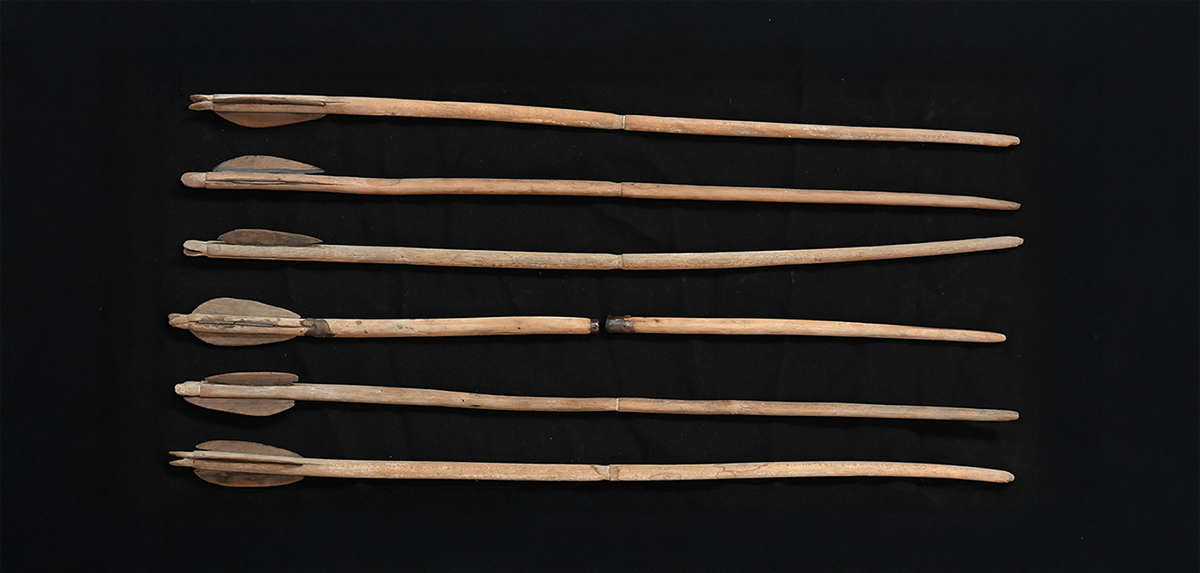
- Archaeological evidence reveals their involvement in military campaigns and state affairs.
Why It Matters
Understanding the lives of ancient Egyptian princesses challenges modern perceptions of gender roles in history. It highlights the complexity of women’s contributions to society and encourages a reevaluation of historical narratives that often overlook their achievements. By recognizing these warrior figures, we gain a broader understanding of ancient civilizations.
What Could Happen Next
As more archaeological discoveries emerge, the stories of these powerful women may inspire new research and reinterpretations of ancient Egyptian culture. Future studies might uncover further details about their lives and the impact they had on their society, paving the way for a richer understanding of gender dynamics in ancient history.